Is the High Cost of Vertical Growing Systems Holding You Back?
Explore modular systems, grant-ready options, and low-risk starting points for community-led food production.
Rethinking What It Takes to Grow Local Food, Year-Round
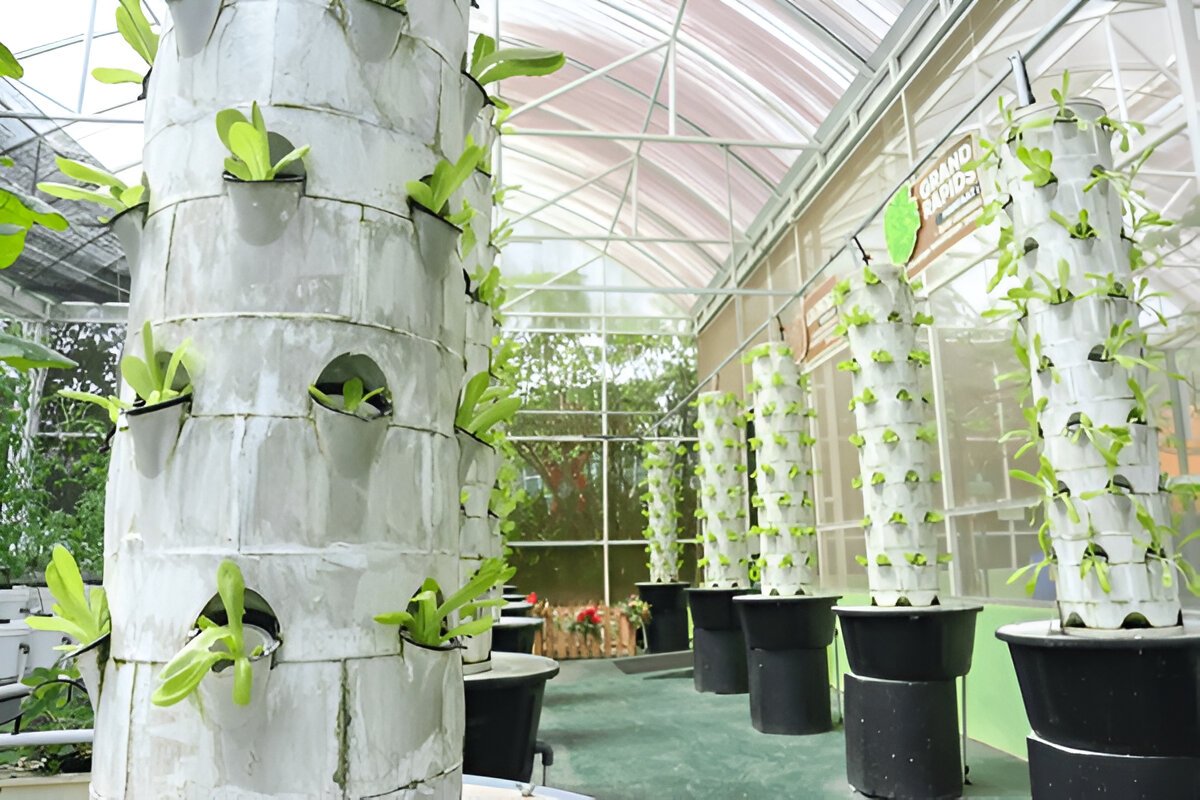
Vertical farming is changing how communities grow food making it possible to produce fresh vegetables indoors, 365 days a year, without access to farmland or warm climates.
But for many schools, nonprofits, Indigenous councils, and health-focused organizations, the promise of vertical growing systems feels just out of reach.
Is it too expensive?
Is it too technical?
Will it require more staff than we have?
Can we start small?
At Willow Brook Farms, we’ve worked with organizations across Canada to prove that vertical growing is both achievable and sustainable with the right system, the right support, and the right mission alignment.
What Is a Vertical Growing System?
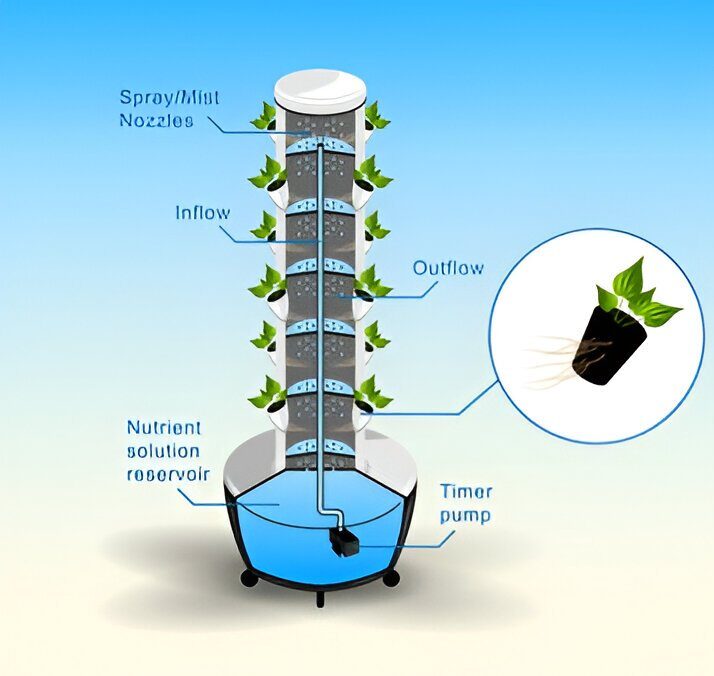
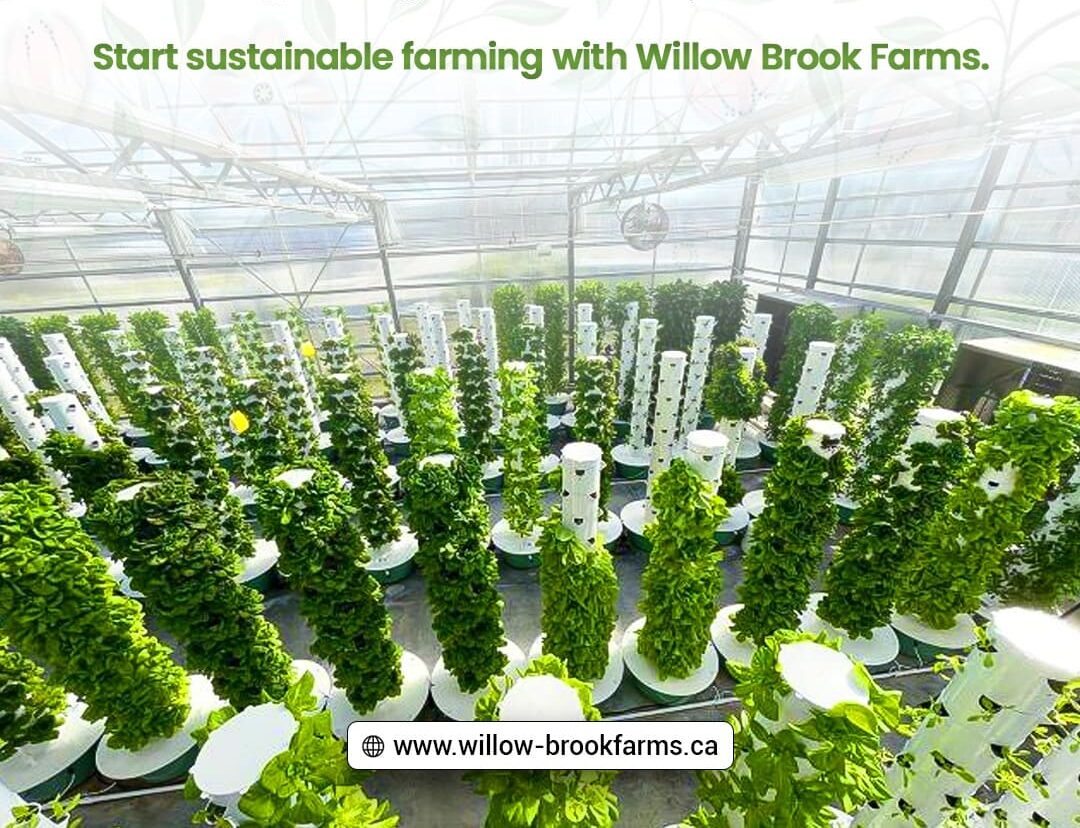
A vertical growing system uses stacked growing towers and controlled environment agriculture (CEA) techniques to grow food in less space, with less water, and without soil.
Our systems are:
Engineered in Canada, for Canadian climates
Built from food-safe, durable materials
Designed to operate indoors year-round
Scalable from single classrooms to full-scale community hubs
These systems use recirculating water, low-energy LED grow lights, and nutrient delivery to grow leafy greens, herbs, and other crops quickly and sustainably.
Built for Mission-Driven Organizations, Not Just Corporations
While much of the vertical farming industry focuses on high-tech commercial output, we serve a different audience those building food security, education, health, and economic development from the ground up.
Our clients include:
Remote and rural communities
Faith-based or cultural groups
What connects them is a shared belief that food should be local, reliable, and empowering—and that infrastructure should match that vision.
You Don’t Need a Million-Dollar Facility to Get Started
One of the most common misconceptions we hear is that vertical growing systems require enormous capital, massive renovations, or highly trained engineers to operate.
That may be true for some commercial farms. But not for us.
Willow Brook Farms offers:
Modular tower units starting at single-tower scale
Pre-designed starter kits with clear setup instructions
Training and support for staff, students, or volunteers
Phased investment plans so you can start small and grow responsibly
Grant-aligned documentation for funding applications
We’ve helped schools start with one or two towers and expand to ten. We’ve supported Indigenous communities piloting youth programs that turned into full food hubs. And we’ve built systems in spaces as small as a hallway or as large as a rec centre.
Lower Energy Use. Higher Impact.
Another concern we often hear is: What about the electricity bill?
The truth is, many vertical systems on the market today are overbuilt for the wrong climates—and drastically inefficient. That’s why we designed ours differently.
Our systems use:
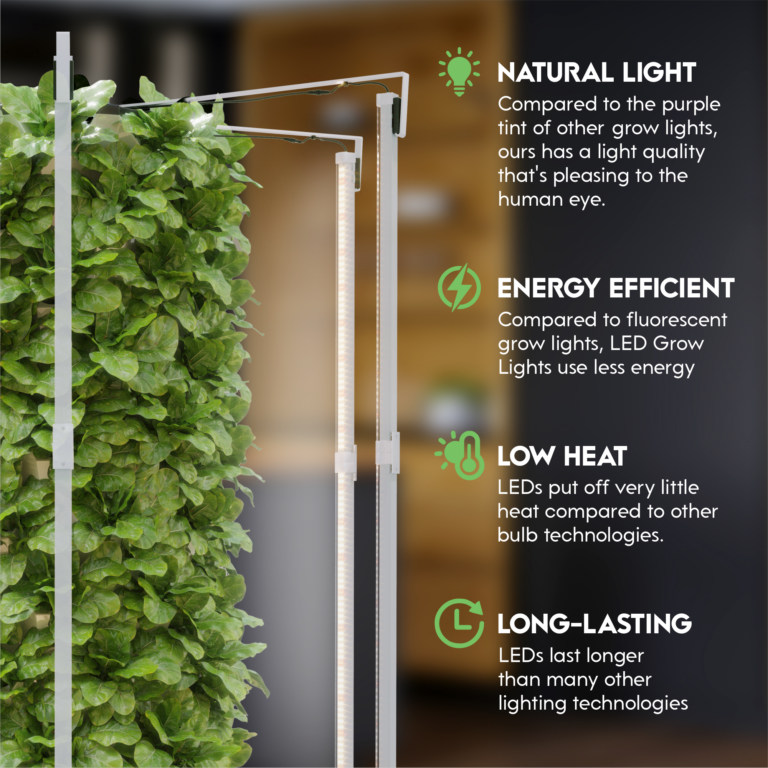
Low-wattage, high-efficiency LED grow lights
Timed lighting and watering schedules to reduce consumption
Recirculating water loops that use 90% less water than traditional growing
Compact HVAC-friendly designs compatible with community buildings and classrooms
We’ll work with your team to estimate your actual operational cost based on site conditions—and help you plan around existing infrastructure or renewable integration.
Vertical Farming Doesn’t Have to Be Complicated
You don’t need a background in agriculture, engineering, or environmental science to operate our systems. And you don’t need to hire new staff to keep it going.
We provide:
On-site training or virtual onboarding
Crop cycle templates to take out the guesswork
Maintenance checklists and grower guides
Dedicated support via email or phone when you need help
Whether you’re a teacher, coordinator, program manager, or community leader, we make sure you’re never left figuring it out alone.
Designed to Scale Without Overextending
Many vertical farms fail because they try to do too much too fast. We don’t let that happen.
Our system design is modular and mobile which means you can:
Start small, test your program, and adjust as needed
Add towers incrementally, with no need to overhaul your space
Move systems between classrooms, locations, or seasons
Scale only when your team and funding are ready
Every unit is designed to function independently or as part of a larger system giving you flexibility to grow your program, not your risk.
Who Is This For?
Our vertical growing systems are used by:
Schools teaching sustainable agriculture and nutrition
Health organizations launching food-as-medicine programs
Urban Indigenous centres growing food and culture together
Remote communities building local food resilience
Nonprofits creating youth training and employment pathways
If you’re working to build local food infrastructure, empower people, and reduce reliance on unstable supply chains, we’re here to help.
The Willow Brook Advantage
Willow Brook Farms isn’t just another ag-tech company. We’re a Métis-owned business rooted in reconciliation, sovereignty, and sustainability.
We work closely with organizations who need more than a product—they need a partner.
Here’s what sets us apart:
Canadian-engineered systems designed for community use
Experience with Indigenous communities, schools, and nonprofits
End-to-end support, from consultation to installation
Modular setups, not locked-in systems
Alignment with food sovereignty and cultural learning goals
We build systems that last, but more importantly—we build relationships that grow.
What You Can Grow
Depending on your setup and growing goals, you can grow:
Leafy greens: lettuce, kale, chard, spinach
Herbs: basil, cilantro, parsley, dill
Microgreens and baby greens
Specialty crops for culture or medicine
Seedlings for traditional garden beds
We’ll help you choose the best crops for your community, curriculum, or climate—so you get the yield and purpose you’re looking for.
Ready to Explore Vertical Growing?
If you’ve been waiting for the right time to introduce vertical growing systems into your program, school, or community space this is your sign.
Let’s talk about:
What space you have available
How much funding or grant support you have
What you want to grow—and why
How your program can start small and scale at your pace
We’re ready to help you bring food production indoors, on your terms.