Commercial growers across Alberta and the rest of Canada are under increasing pressure to produce more with fewer resources. Limited square footage, rising electrical costs, unpredictable supply chains, and shifting market demand all create a challenging environment for any farm, greenhouse, or co-op looking to expand its production capacity.
At the same time, the demand for fresh, local greens has never been stronger. Retailers want year-round reliability, consumers want pesticide-free options, and communities want food grown closer to home. The opportunity is there. The challenge is building a growing system that performs consistently without driving operating costs beyond sustainability.
This is where a purpose-built vertical growing system in Canada becomes essential. When the right engineering, crop science, and system design come together, growers can increase output, manage costs, and stabilize production—regardless of the season.
Willow Brook Farms exists for this exact gap: supporting growers who need an efficient, scalable, and reliable way to increase year-round production without taking on the operational burden that typically comes with commercial vertical farming.
Below is a clear, practical breakdown of how Canadian growers can meet demand while keeping their systems cost-aligned, stable, and sustainable.
The shift toward commercial hydroponic systems in Canada isn’t a trend. It’s an operational necessity driven by conditions that growers can’t easily control: limited land availability, climate volatility, rising fuel costs for imported produce, and the need for predictable yield.
Across Alberta and other climate-challenged provinces, these pressures show up in very specific ways:
Outdoor seasons remain short and inconsistent.
Traditional infrastructure struggles to justify year-round heating requirements.
Supply chain disruptions increase the cost of sourcing fresh greens.
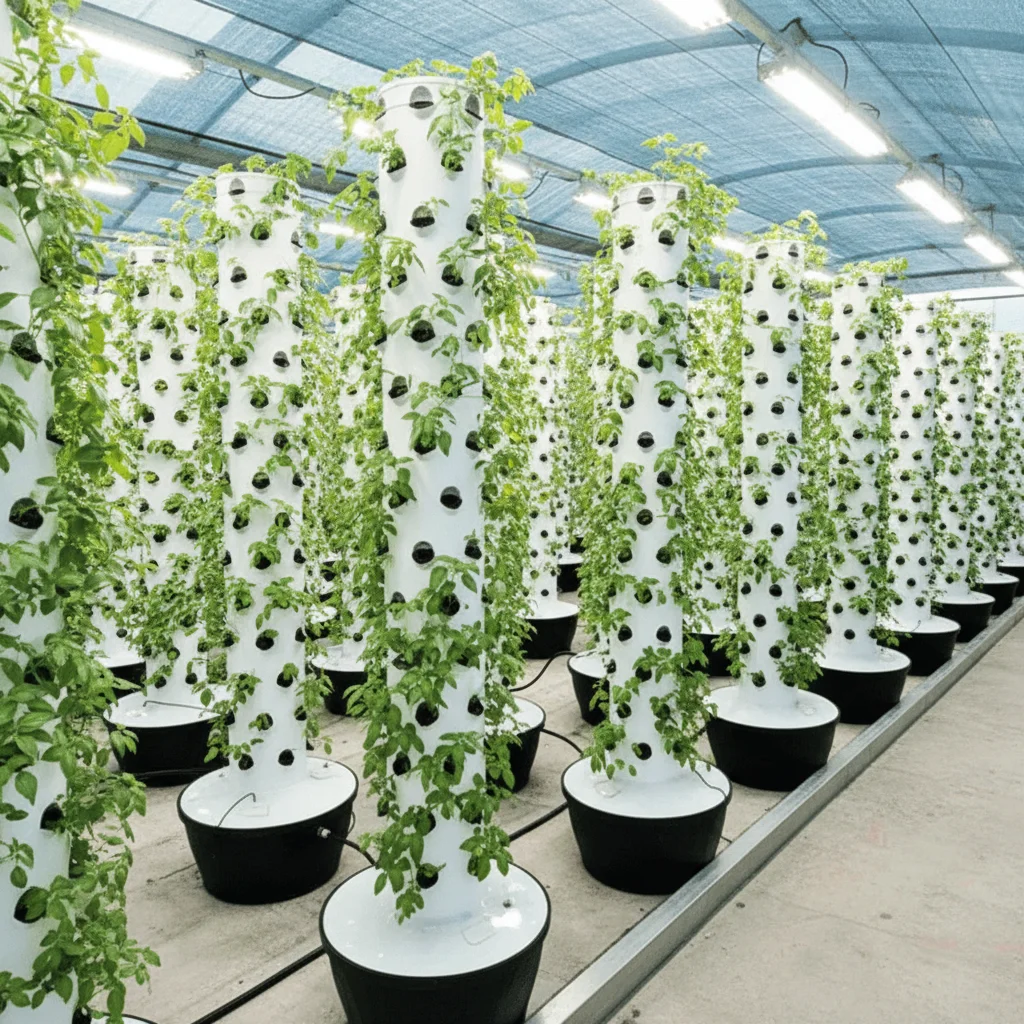
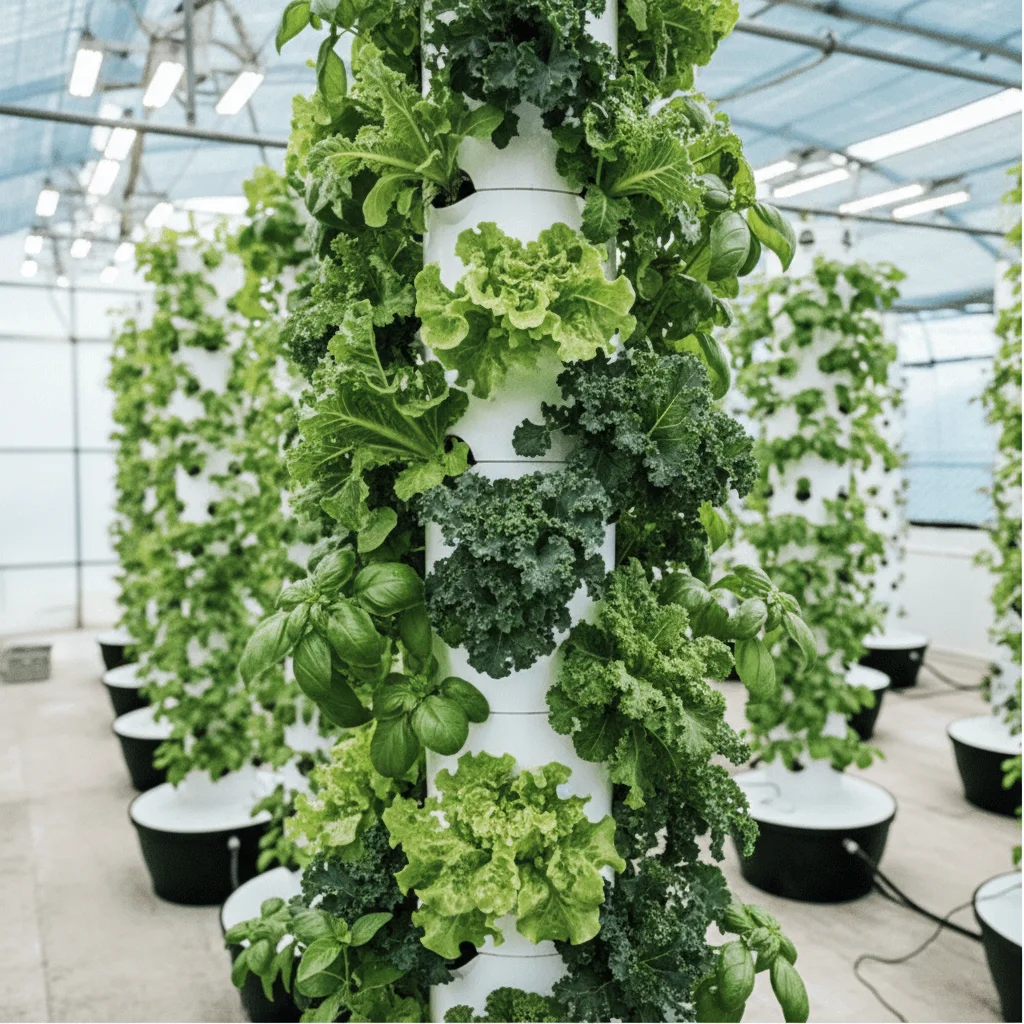
The opportunity for growers lies in the systems that can produce high-density crops without requiring large land footprints or specialized facilities. A vertical tower system allows production to scale upward instead of outward, making better use of the square footage growers already have.
For many commercial teams, the question has shifted from “Should we invest in vertical farming?” to “Which vertical system creates the strongest long-term operational foundation?”
A Vertical System Built for Canadian Conditions
Not all vertical systems perform the same in colder regions. Energy requirements, environmental control, and space-use efficiency become even more important when production needs to run through winter.
When growers consider a commercial vertical farming system, the first barrier they often face is cost. Energy consumption, ongoing maintenance, lighting, nutrient management, and structural requirements can make traditional vertical farms financially restrictive.
What helps stabilize cost is system simplicity combined with high plant density. With an engineered hydroponic tower system, growers can generate a significant increase in yield without the energy demands of multi-layer rack systems or complex environmental controls.
The efficiency advantages are clear:
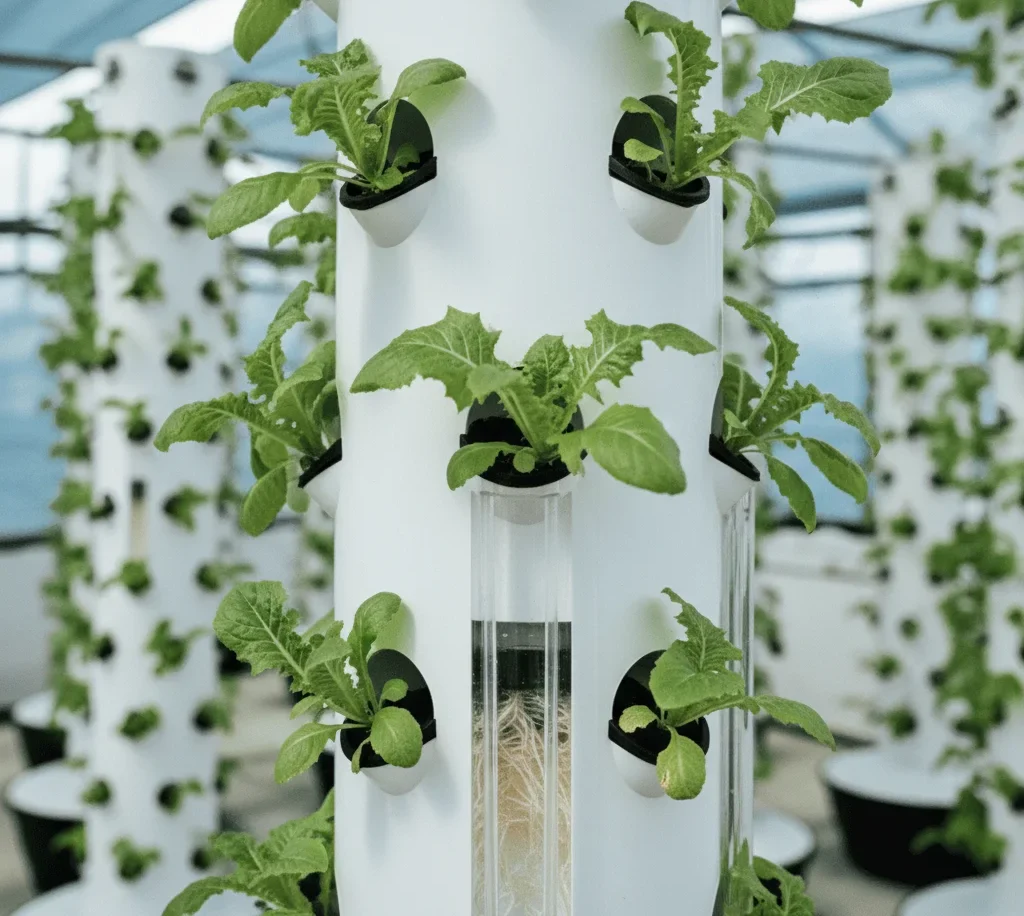
Plants grow vertically in a highly optimized nutrient environment
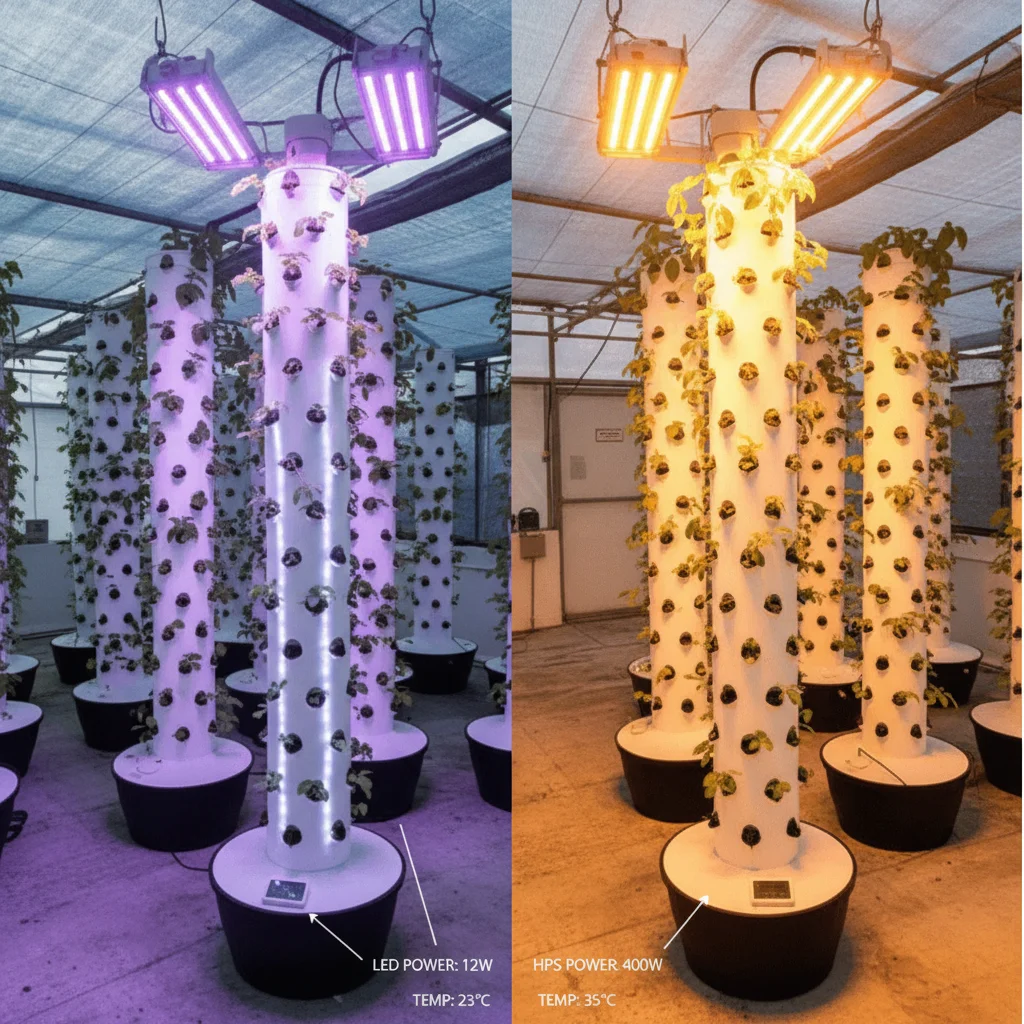
Light distribution is even and predictable
The root zone remains oxygenated and well-fed
Water use remains low due to recirculating design
Towers can be integrated into greenhouses, warehouses, or existing farm facilities
When every square foot becomes more productive, operating costs settle into a predictable pattern. That predictability is what gives growers the ability to plan, budget, and scale their production models.
Many growers begin with a small pilot, intending to scale gradually. The challenge with many vertical systems is that scaling requires dramatically different equipment or infrastructure.
A hydroponic tower system solves this by offering consistent design at every level. Whether a grower starts with a single row of towers or a full facility buildout, the principles and maintenance remain the same.
This creates a smoother transition from:
Trial crops to commercial output
Small private sales to wholesale distribution
Seasonal production to year-round supply
This approach removes the learning curve traditionally associated with vertical farming and replaces it with a straightforward, repeatable operating model.
Growing the Right Crops for Commercial Output
Canada’s market conditions create a unique opportunity for growers who choose crops that deliver strong margins and high rotation. In a vertical tower system, certain crops naturally perform with greater consistency, faster growth cycles, and higher yield.
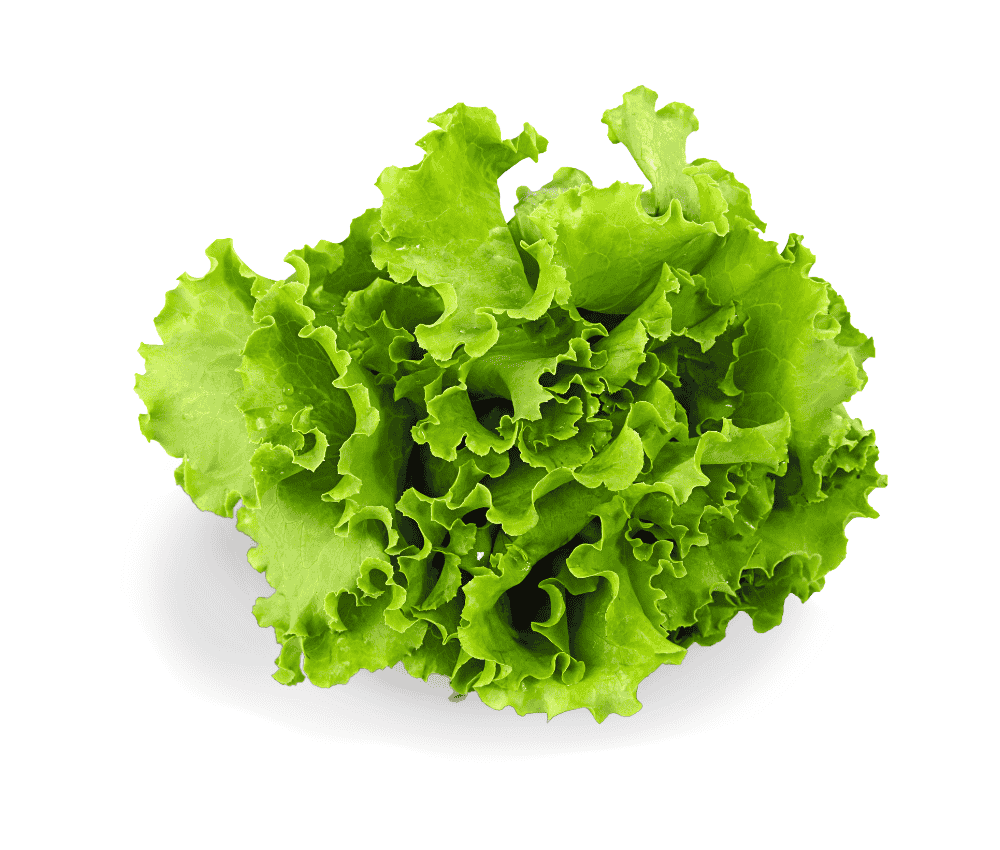
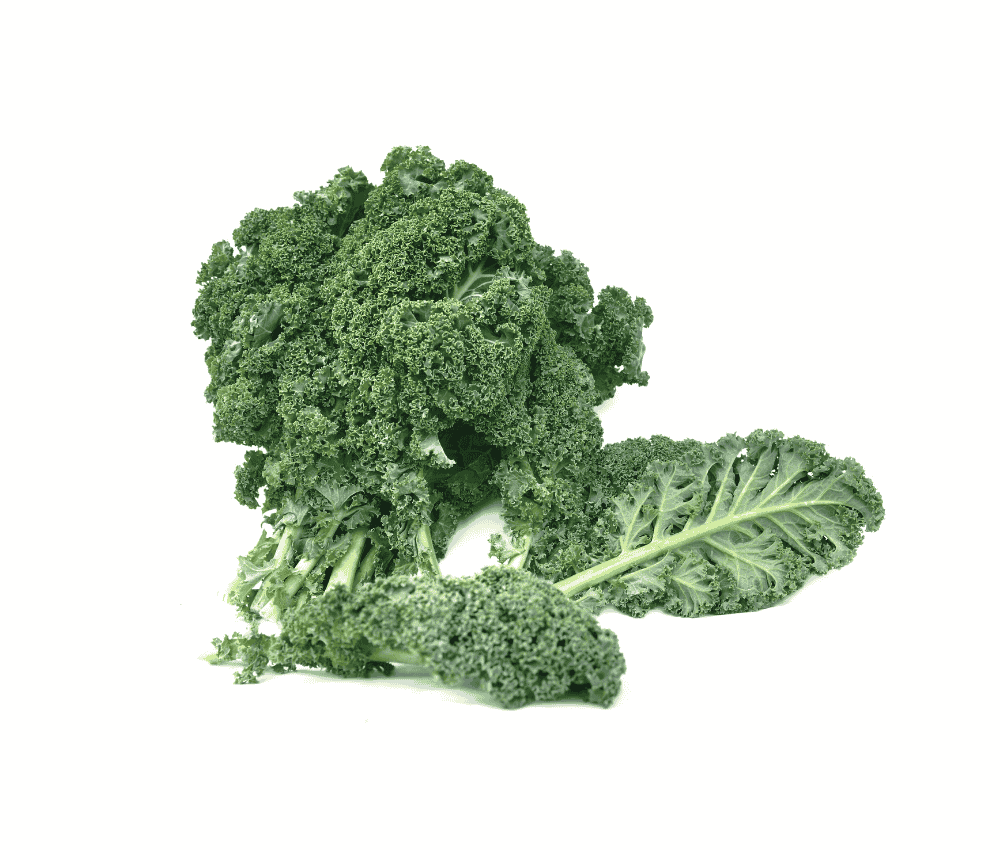
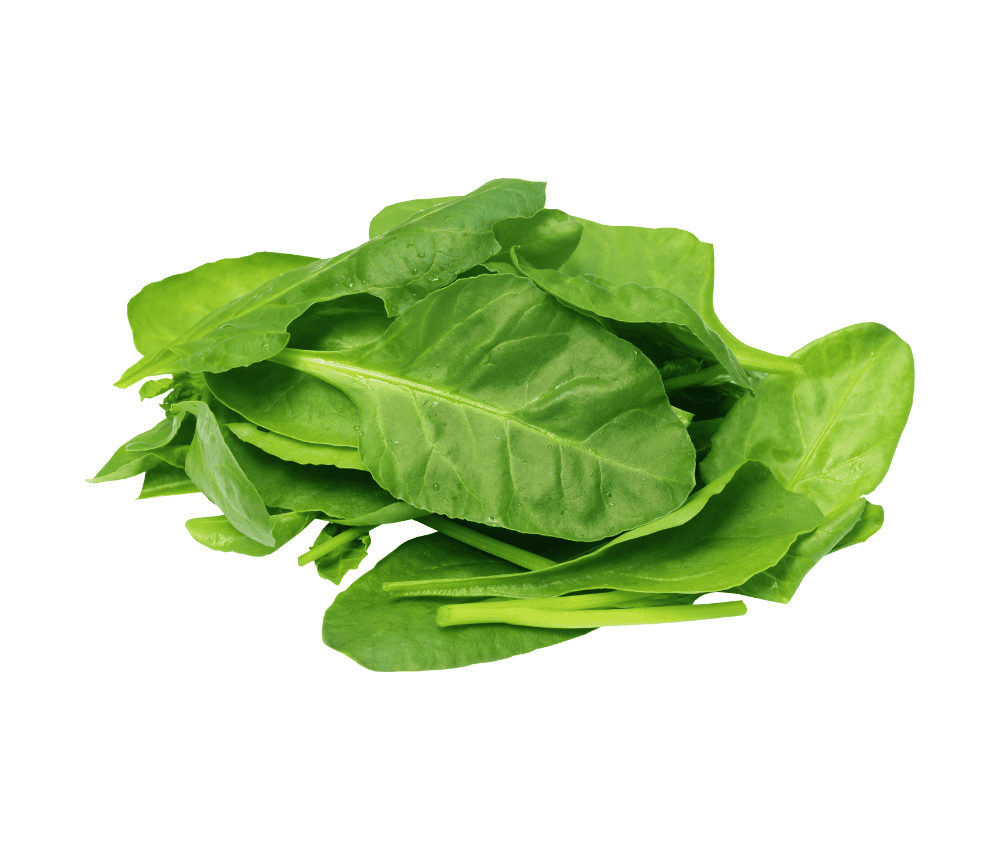
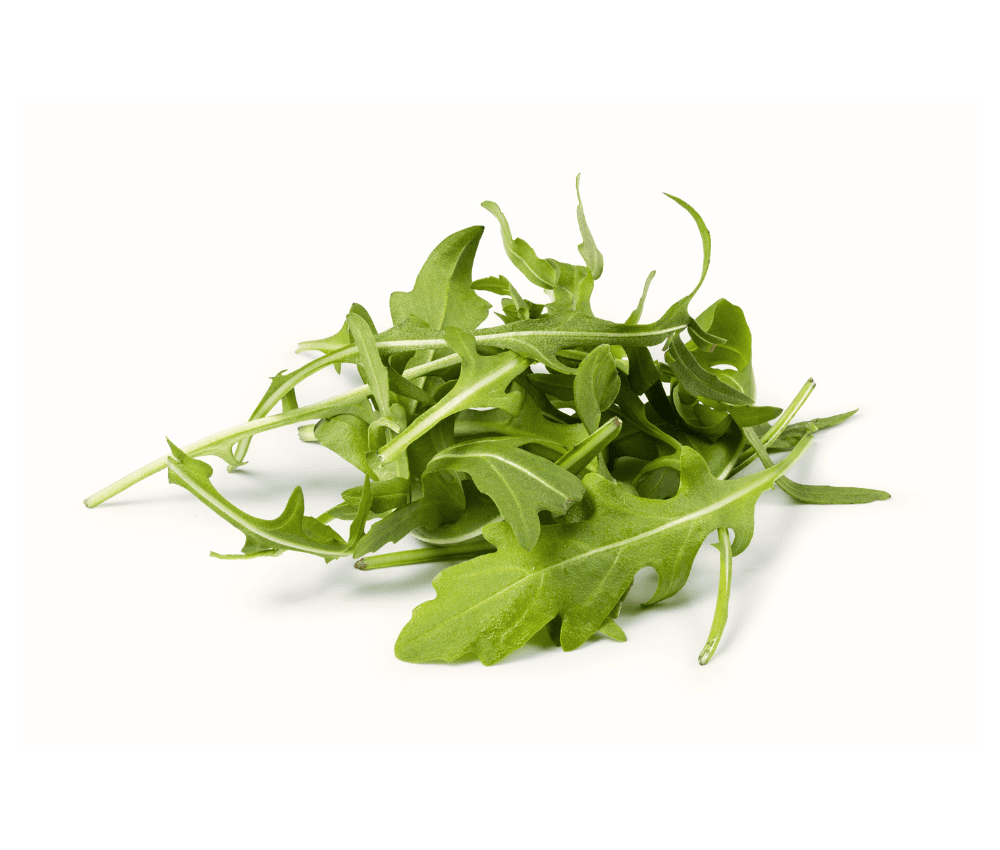
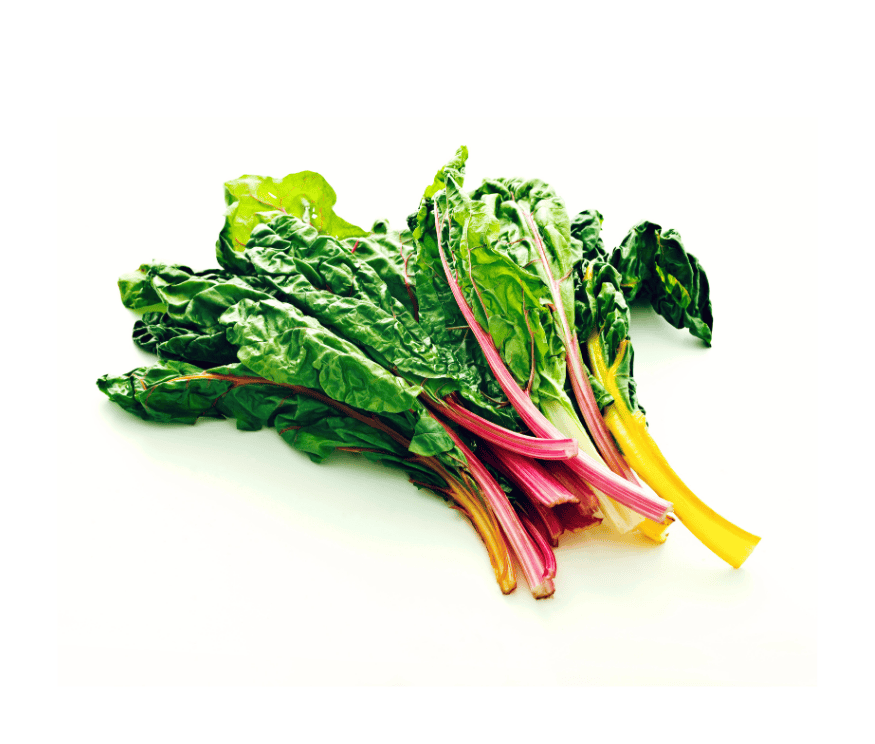
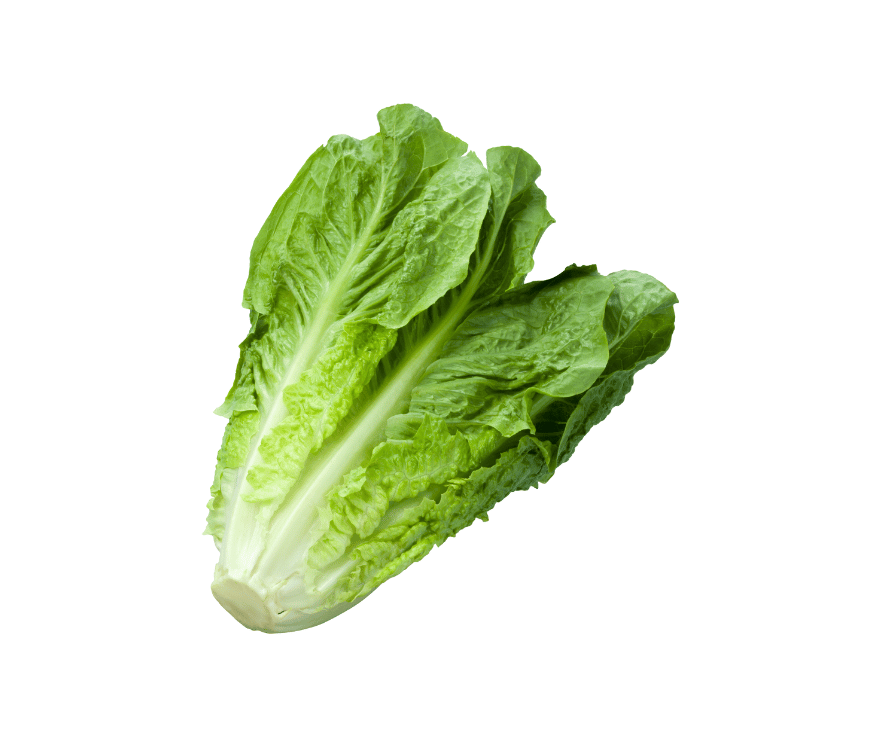
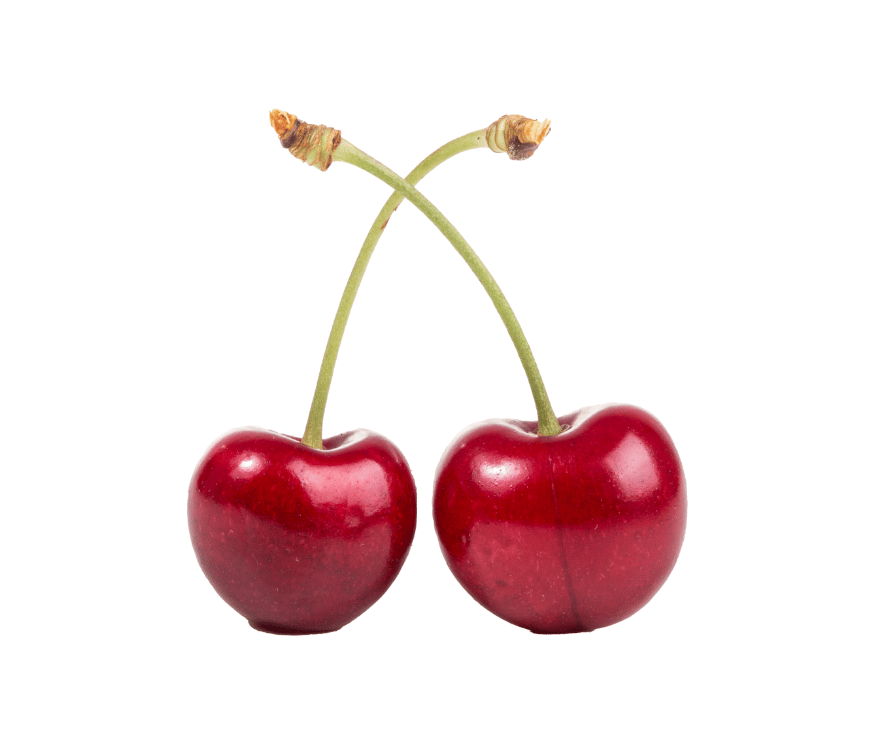
Examples include:
These crops align with both consumer demand and operational cost efficiency, making them ideal for commercial production environments in Alberta and throughout Canada.
By understanding crop suitability early, growers can set up a production schedule that supports predictable sales channels, stable revenue, and long-term planning. The tower system is designed to help growers test quickly, scale what works, and maintain consistency across batches.
Lettuce
Kale
Spinach
Arugula
Swiss chard
Bell Pepper
Dragon Fruit
Sweet Papper
butterhead Lettuce
Romaine Lettuce
Oregano
Dill
Ground Cherries
Green Peas
Resource Efficiency and Long-Term Sustainability
One of the most important measures of success for a vertical farming system is its long-term stability. This includes both operational sustainability and environmental responsibility.
A well-engineered hydroponic tower supports both objectives:
Water recirculation minimizes waste
Precision nutrient delivery reduces input costs
Natural air circulation reduces mechanical requirements
Vertical density increases output without increasing land usage
Year-round production reduces reliance on imports
For growers focused on sustainability goals—whether internal or market-driven—this type of system provides a viable path to achieving them without compromising production volume.
Why Growers Across Canada Choose Willow Brook Farms
Willow Brook Farms occupies a distinct space in the Canadian vertical farming landscape. As a Métis-owned farming company that works across communities, institutions, and commercial growers, the focus is always on building practical, reliable growing infrastructure.
Several attributes set this system apart in the commercial market:
Designed specifically for Canadian climates and energy considerations
Built to perform in remote, rural, and urban environments
Modular for staged investment and risk-managed scaling
High-density plant capacity to maximize output per square foot
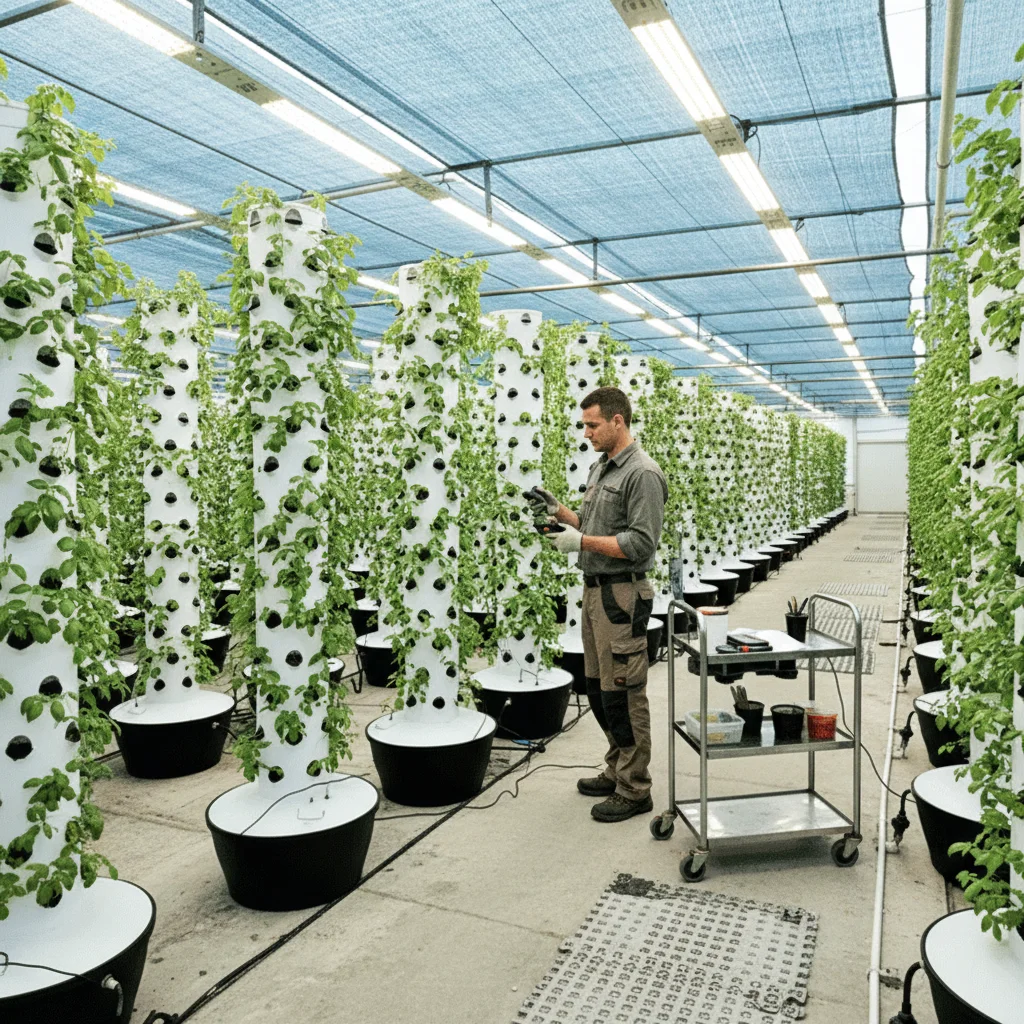
Proven performance in both greenhouse and warehouse environments
Supported by a team committed to long-term grower success
The result is a system that fits naturally into the workflows of growers who want predictable output and sustainable cost structures.
A Practical Path Forward for Commercial Growers
When operational costs rise, growers need systems that create stability instead of adding complexity. The right vertical growing system in Canada gives growers the ability to:
Increase yield without major facility upgrades
Operate year-round with reliable production cycles
Reduce input costs with efficient hydroponic use
Transition from pilot to commercial output without redesign
Create predictable supply for consistent market demand
The path forward is not about adopting technology for its own sake. It’s about selecting a system designed to work in real, day-to-day agricultural settings in Alberta and across Canada.
Willow Brook Farms provides exactly this: a grounded, proven vertical growing model backed by a team that understands the realities of Canadian food production.
How the Willow Brook Farms Tower System Works
For growers interested in expanding their production capability, the system operates using several principles that ensure both efficiency and reliability.
Vertical Density
Plants grow in a vertical configuration with optimized spacing to maximize airflow and nutrient distribution.
Closed-Loop Hydroponics
Water and nutrients recirculate through the tower, reducing waste and maintaining consistent root-zone environments.
Scalable Architecture
Towers can be added in stages, allowing growers to expand gradually while maintaining consistent processes.
Low-Maintenance Operation
Systems are designed to reduce the burden on growers who manage multiple crops or complex environments.
This simplicity is intentional—because ease of use is essential for long-term success.
Canadian growers are entering a period where year-round production is increasingly necessary for local markets. With rising demand and shifting supply chains, the opportunity for reliable local production has never been stronger.
A well-designed commercial hydroponic system in Canada is not just a piece of equipment. It is a long-term infrastructure investment that helps growers:
Increase independence from external supply chains
Meet rising demand for local food
Maintain consistent revenue throughout the year
Reduce operational risk
Strengthen long-term financial viability
With a system that works with Canadian conditions—not against them—growers can build stable, scalable, and efficient operations that serve their communities and the broader market.
Connect With Willow Brook Farms
If your team is exploring options for a new vertical expansion, a facility upgrade, or a shift toward year-round production, Willow Brook Farms can help design a system that meets your needs.
As a Métis-owned Canadian company, we build vertical growing solutions that make sense within the realities of Canadian agriculture, climate, and energy conditions. Whether you’re planning a pilot or preparing for commercial expansion, we can support your process with a system designed to perform reliably and efficiently.
Vertical towers that pay for the space they occupy
Growers across Alberta and Canada are expanding their production with vertical systems that balance efficiency with practicality. To explore whether the Willow Brook Farms tower system is the right fit for your operation, contact us directly at: