The Lights On Movement A Movement For Truth & Reconciliation September 30 – October 31 2025
Across Alberta and throughout Canada, schools are looking for ways to improve student nutrition in meaningful, sustainable ways. Rising food prices, inconsistent access to fresh produce, and increasing levels of food insecurity have put added pressure on school boards, educators, and community wellness teams. More students are relying on school breakfast programs, lunch programs, and daily snacks than ever before, yet access to affordable, nutrient-dense food remains unpredictable.
The challenge is not simply providing food. It is ensuring that what is served is healthy, consistent, culturally relevant, and available year-round. Traditional school gardens help, but they are seasonal, weather-dependent, and difficult to maintain during the academic year. Greenhouses require significant investment, space, and maintenance. Outdoor growing is not feasible for many regions in Alberta or remote communities across Canada.
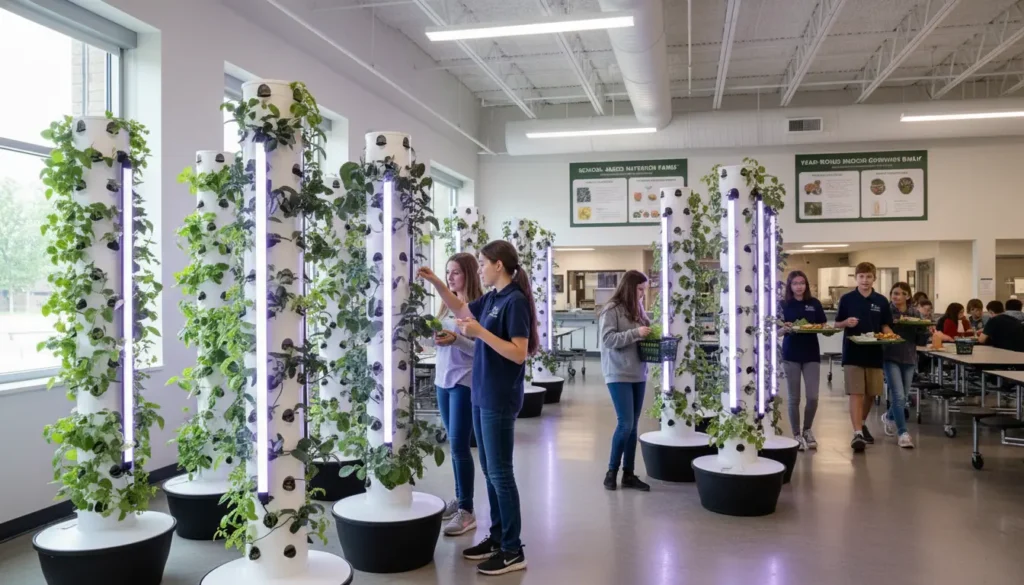
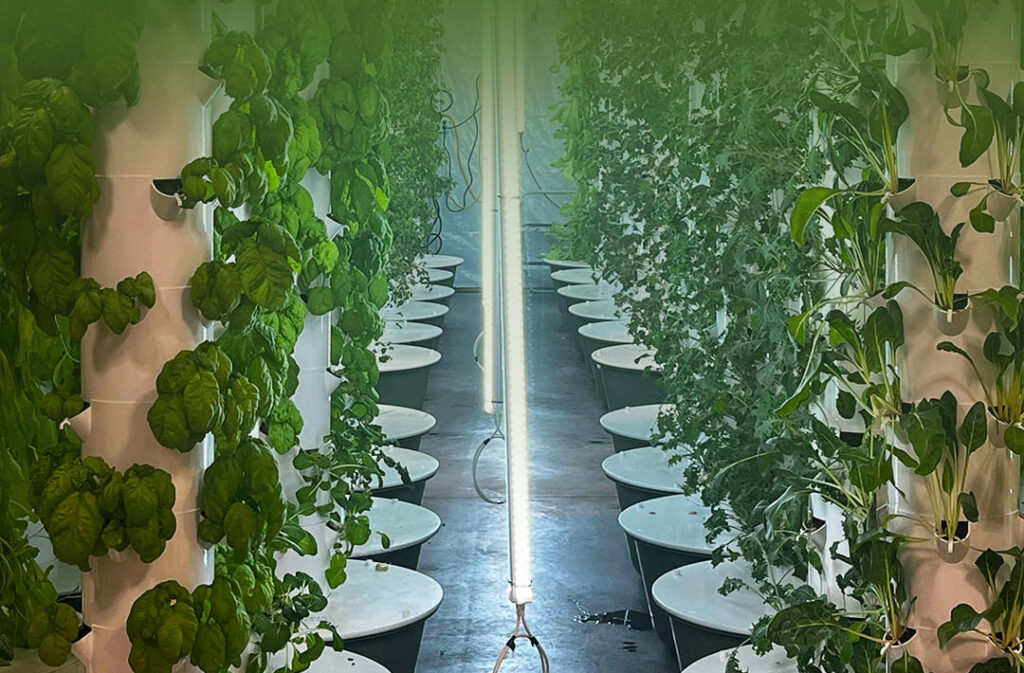
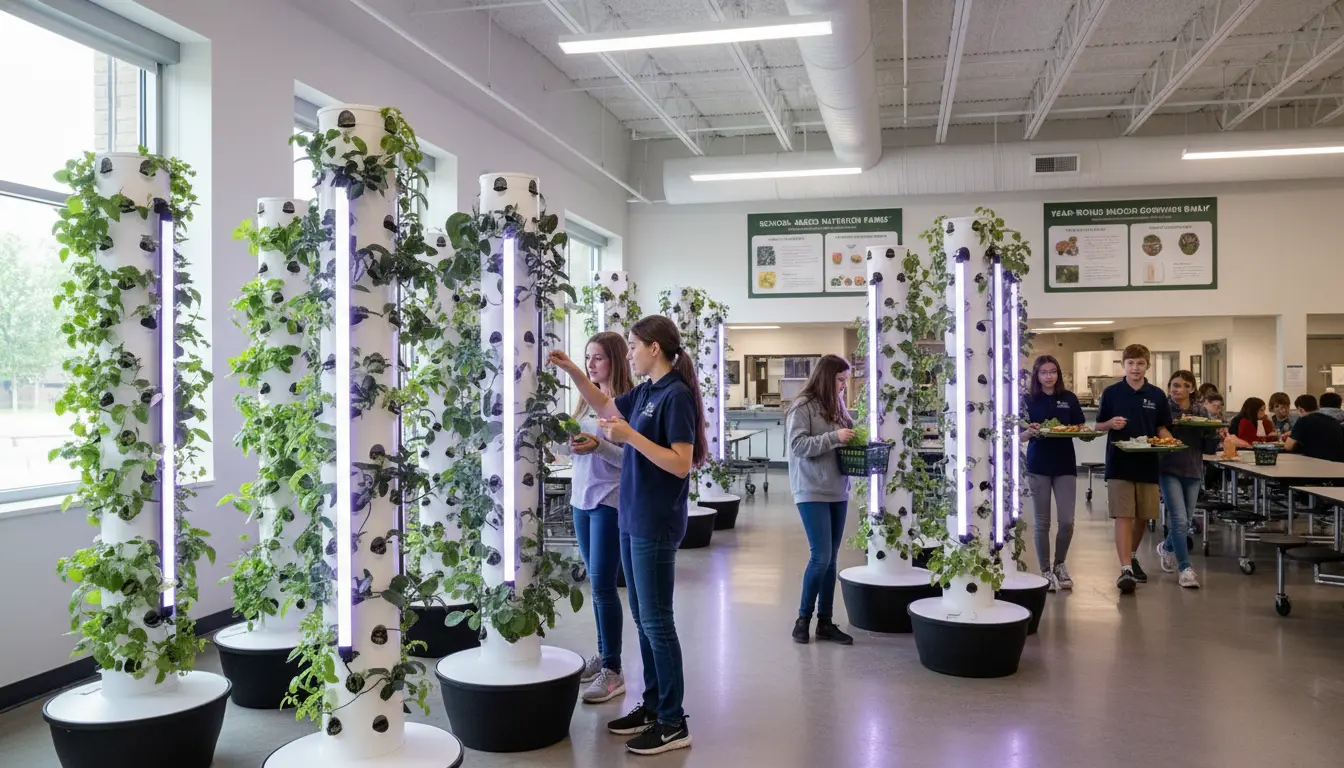
This is why more schools are exploring school based nutrition farms—compact, indoor vertical farming systems that allow classrooms and cafeterias to grow fresh produce on-site every month of the year. These systems not only support daily nutrition needs but also help students understand where food comes from, how it grows, and why it matters for their long-term health.
At Willow Brook Farms, we support schools across Alberta and Canada-wide with vertical farming solutions designed specifically for education. Our Canadian-engineered towers are compact, efficient, and built to integrate directly into classrooms, cafeterias, and wellness programs with minimal maintenance. The result is a year-round food supply that supports both student nutrition and learning.
Healthy eating has become a core focus for school boards across the country. Schools face growing pressure to improve student nutrition while juggling limited budgets and time constraints. Many are searching for practical ways to strengthen school meal programs, reduce reliance on unstable supply chains, and bring fresh food directly into the learning environment.
Indoor vertical systems meet this need by growing food inside the school itself, independent of outdoor seasons, climate conditions, or shipping delays. They make it possible for students to enjoy freshly grown greens and vegetables during colder months when outdoor gardens are dormant.
These programs also support provincial and national goals related to wellness, food literacy, and experiential learning. Whether the goal is improving cafeteria offerings, strengthening science education, or simply giving students reliable access to healthy food, nutrition farms help schools address several priorities at once.
Schools across Alberta and Canada are seeing the effects of inconsistent nutrition in real time. Educators report that students who lack access to healthy food often struggle with focus, energy, and overall academic performance. Many schools depend on breakfast programs to ensure students begin the day with something nourishing, yet the rising cost of produce makes it difficult to sustain quality and consistency.
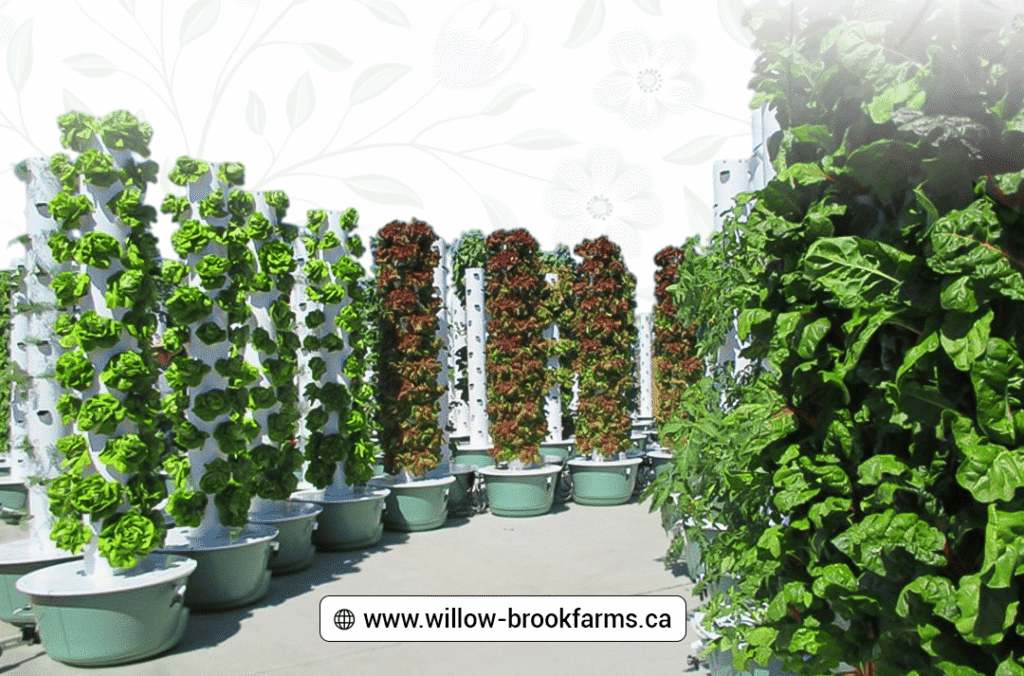
A school based nutrition farm gives classrooms and cafeterias a steady, predictable supply of fresh produce. Lettuce, kale, herbs, and other greens can be grown and harvested throughout the year. This not only reduces reliance on external suppliers but also gives schools greater control over the quality and nutrition of the food served to students.
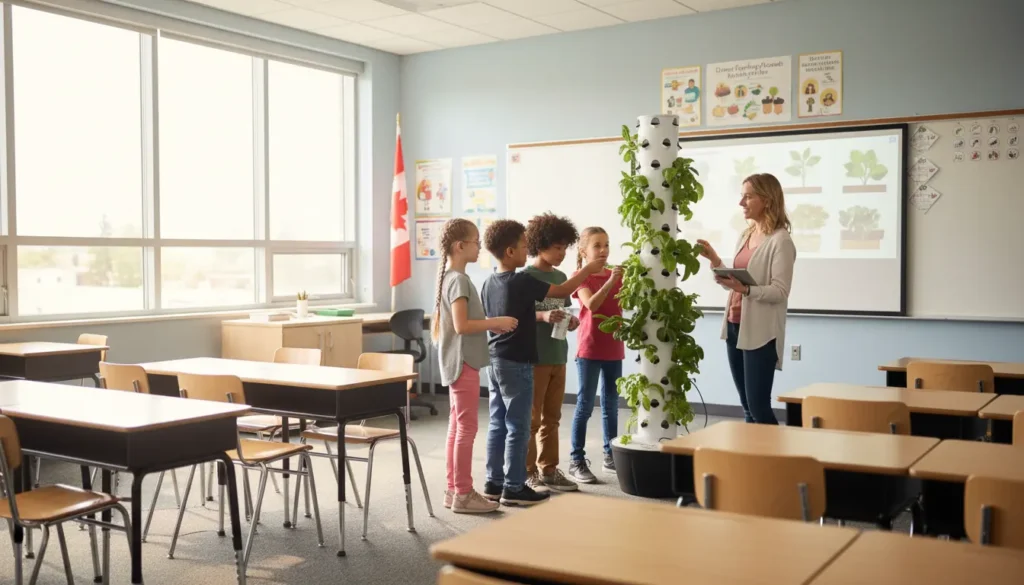
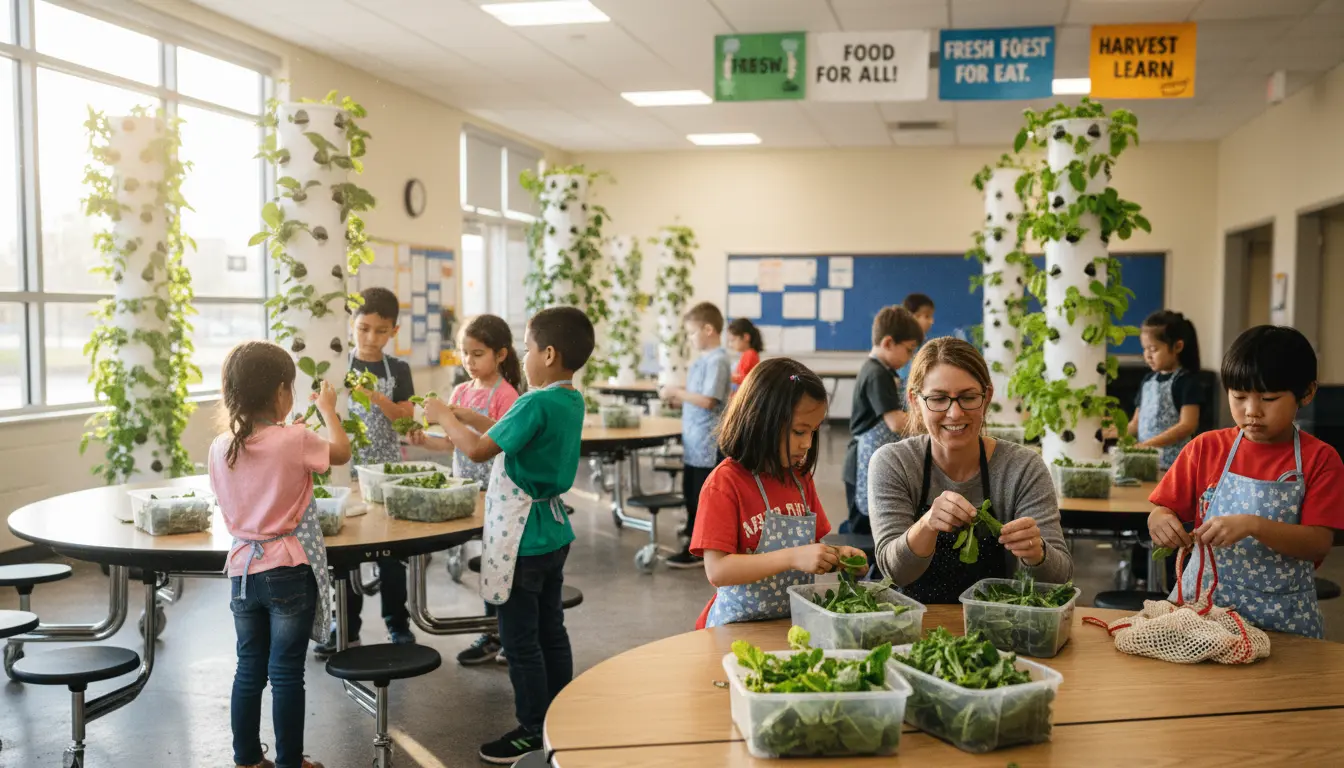
For many schools, the benefits extend beyond nutrition programs. Students are more engaged when they participate in hands-on growing activities. They learn responsibility, teamwork, and environmental stewardship through daily care of the towers. Teachers benefit from built-in learning opportunities across science, math, health, and sustainability.
This creates a school environment where nutrition and learning reinforce each other.
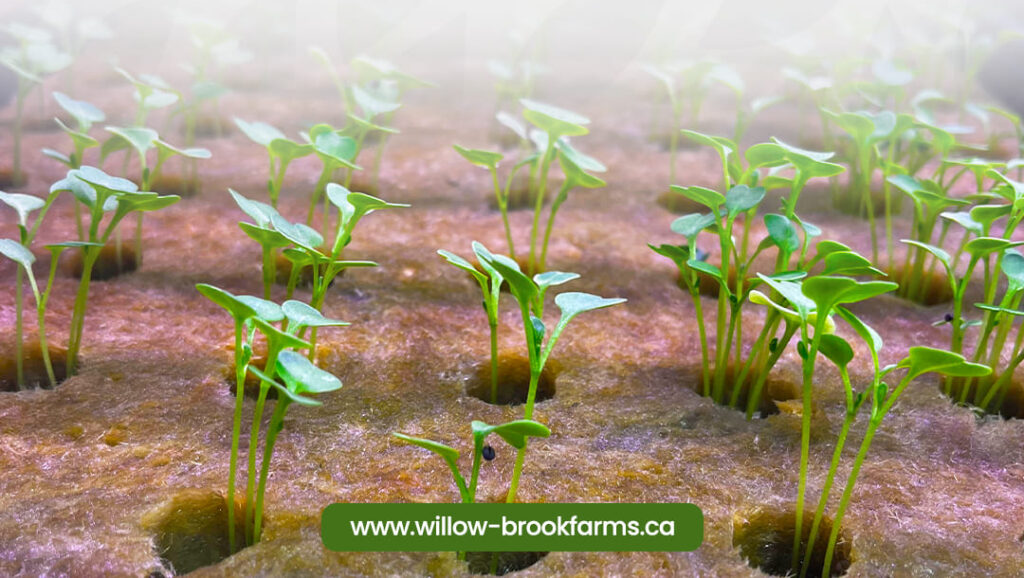
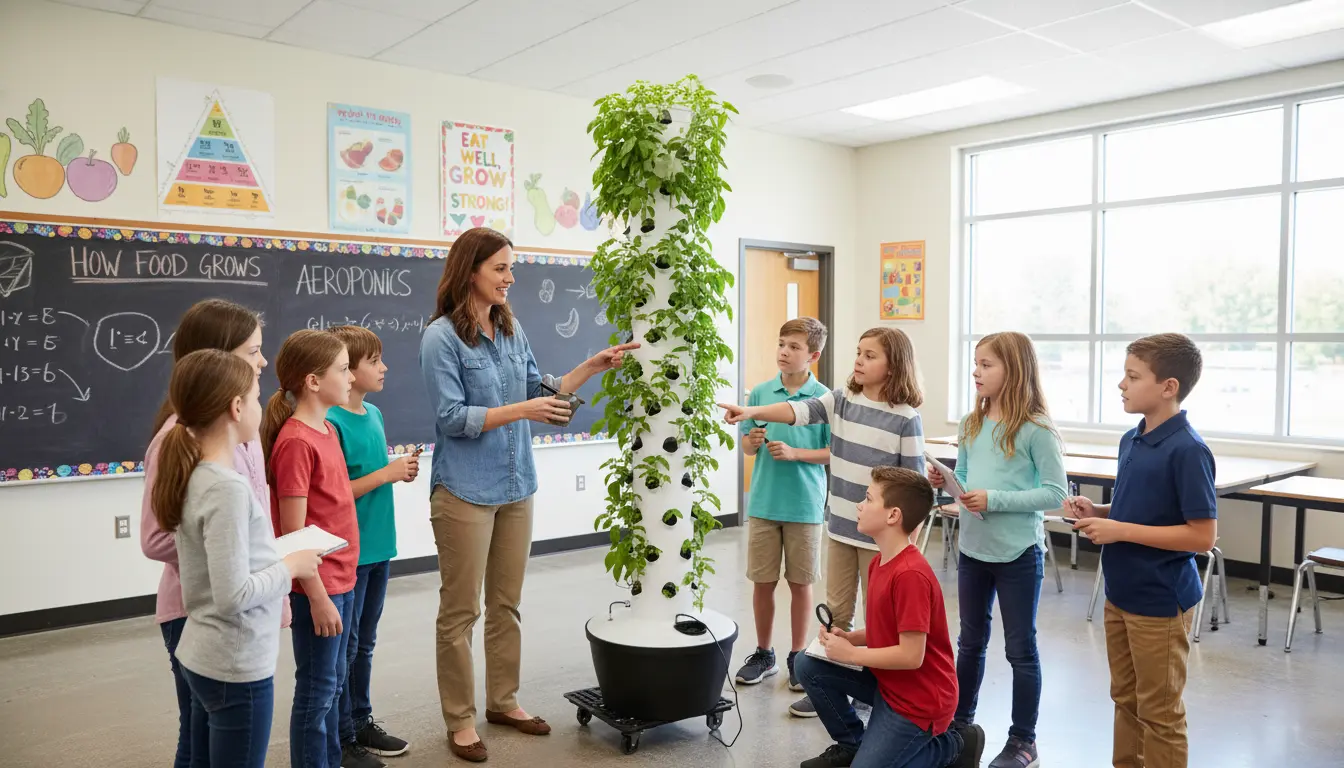
Willow Brook Farms provides school-based nutrition farm systems designed specifically for the needs of K–12 schools. Our indoor vertical towers operate on aeroponics, meaning they use water and nutrients without soil, making them cleaner, simpler, and easier to maintain than traditional garden systems.
Each tower fits neatly into a classroom, cafeteria, hallway, or multipurpose space. They require no renovation, no plumbing, and no major electrical work. This makes them accessible for schools with limited space, limited outdoor access, or limited maintenance resources.
Below is how we help schools create a reliable source of fresh food while improving learning and wellness.
Fresh food availability is a challenge for many schools, especially in regions where winters are long and shipping costs are high. Our towers grow dozens of plants simultaneously, providing steady harvests that can be used for:
breakfast programs
lunch programs
classroom snacks
culinary classes
youth wellness initiatives
home economics programs
Because the towers operate indoors, they eliminate seasonal limitations and create a stable food supply that schools can rely on throughout the school year.
Many schools exploring school based nutrition farms want clarity and predictability. Budgets are tight, and school boards must demonstrate that investments support measurable student outcomes.
We provide clear pricing models that scale based on school size and goals. Schools can begin with a single tower or build a cluster of systems that support cafeteria-level production. This flexibility ensures that every school—large or small, urban or rural—can participate without overwhelming financial commitments.
Schools also frequently use grants from:
community food security funds
health-focused funding streams
sustainability programs
We help align tower installations with these opportunities, ensuring long-term viability.
Not all schools have greenhouses, outdoor gardens, or the ability to invest in new construction. Our systems are engineered for indoor use in:
classrooms
hallways
cafeterias
community learning spaces
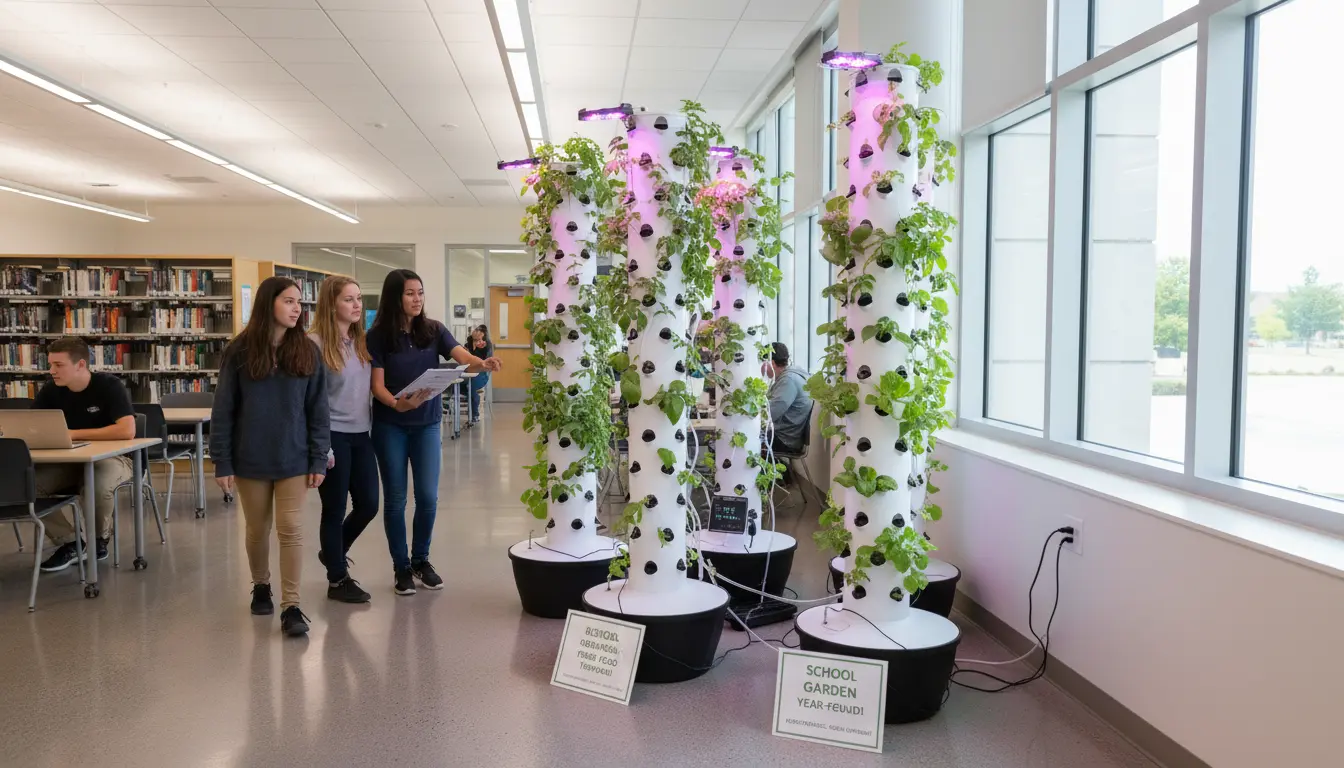
library commons
school foyers
This allows schools to start growing food even in environments where climate or space would normally make it impossible. Everything operates within a small footprint and requires only a standard electrical outlet.
The towers are designed to be easy to maintain, allowing staff or students to manage daily care with minimal oversight.
Teachers are central to the success of school-based nutrition programs, but they cannot be expected to take on complicated systems without support. Every installation comes with assistance that includes:
step-by-step system training
classroom integration resources
recommended lesson ideas
ongoing support from the Willow Brook Farms team
nutrition-based programming suggestions
This ensures educators feel confident integrating the farm into daily routines and learning experiences. Curriculum alignment based on provincial outcomes helps teachers connect growing activities to science, health, and sustainability topics in meaningful ways.
Students engage deeply with hands-on learning. Watching food grow, caring for the towers, and harvesting produce create experiences that strengthen:
Nutrition farms also support broader community goals. Food can be shared with families, used in home economics classes, or incorporated into cultural education programs.
In Indigenous schools, these systems also support food teachings, cultural revitalization, and intergenerational knowledge sharing. Elders often participate in growing programs, connecting modern technology with traditional understandings of food and health.
Schools often ask about the cost of starting a nutrition farm. The answer depends on the number of towers, program goals, and long-term use strategy. Systems range from small classroom-scale installations to larger multi-tower clusters that support cafeteria-level production.
The long-term benefit comes from:
Many schools recover value from the investment within the first few years due to reduced produce purchasing and increased access to grant funding.
Willow Brook Farms is committed to supporting school communities through nutrition-focused infrastructure. As a Métis-owned organization, we are deeply connected to food systems, health, and education across Canada. Our mission is to make growing food accessible, practical, and meaningful in every classroom.
Whether a school is looking to improve nutrition programs, create engaging science lessons, support wellness goals, or build long-term infrastructure for student health, we provide systems that support these needs with consistency and care.
If your school or school board is exploring year-round food solutions, we’d be happy to help you build a plan that fits your goals, budget, and student needs.